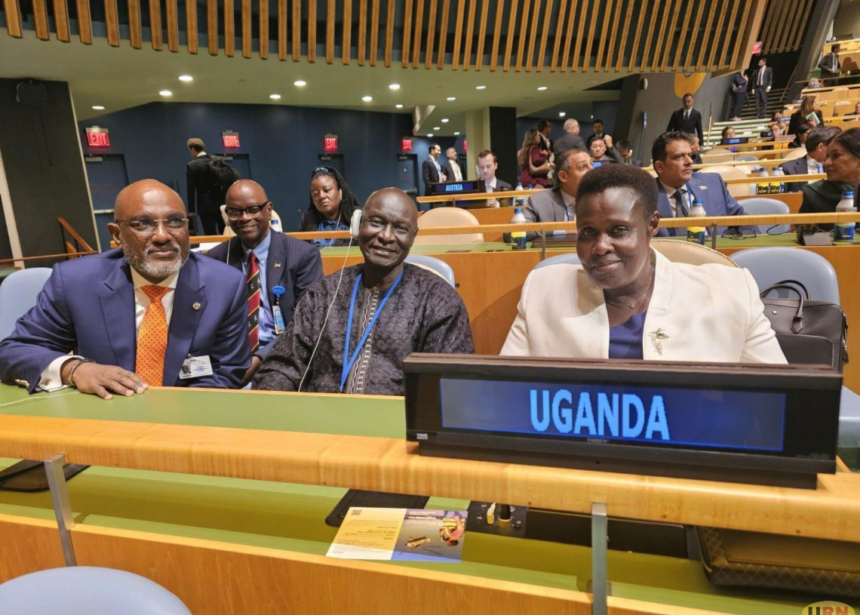
Uganda has renewed its call for Africa to secure permanent representation on the United Nations Security Council, arguing that the continent’s exclusion from the Council’s permanent membership no longer reflects the realities of the modern world.

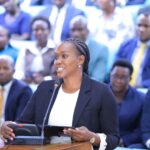
Delivering President Yoweri Museveni’s address to the 81st United Nations General Assembly in New York on Thursday, Vice President Jessica Alupo said Uganda supports comprehensive reform of the Security Council to make it more representative, transparent and democratic.
“We demand Africa’s rightful representation, in both the Permanent and Non-Permanent categories, to correct historical imbalances in line with the Common African Position as articulated in the Ezulwini Consensus and the Sirte Declaration,” Museveni said in his address.
The demand places Africa’s representation at the centre of Uganda’s wider call for reform of the United Nations, which Kampala says must adapt to changing global political, economic and security realities while remaining committed to its founding objectives.
Under the Common African Position, outlined in the Ezulwini Consensus and Sirte Declaration, African countries are seeking permanent seats on the Security Council with the same prerogatives and privileges enjoyed by the existing permanent members, alongside additional non-permanent seats.
Museveni said Uganda was prepared to work with other UN member states to build consensus around reforms that reflect contemporary international realities.
The Security Council currently has 15 members, including five permanent members — China, France, Russia, the United Kingdom and the United States — and 10 non-permanent members elected for two-year terms. Africa has three non-permanent seats but no permanent seat.
Uganda’s call comes as the UN continues discussions on reforming the Security Council and the wider international system. Kampala also backed the UN80 reform initiative, which seeks to make the UN system more efficient, coordinated and cost-effective.
Museveni, however, cautioned that reform efforts should not weaken existing UN mandates or commitments, including the implementation of the 2030 Agenda for Sustainable Development.
He also linked Security Council reform to broader concerns about global development, saying developing countries continue to face limited fiscal space, high debt-servicing costs and inadequate resources for infrastructure and social services.
“Many developing countries lack sufficient financial resources to fund their development needs, with a disproportionate share of revenues directed toward debt servicing rather than critical public infrastructure and social services,” Museveni said.
On international conflicts, the Ugandan president called for greater reliance on diplomacy and peaceful settlement rather than military solutions, saying sustainable peace and development required international cooperation.
Uganda also reaffirmed its commitment to multilateralism and said it would continue using its leadership of the Non-Aligned Movement to promote cooperation and solidarity among developing countries.
Museveni concluded by urging UN member states to pursue reforms that would make the organisation more representative and responsive to the changing international order.