
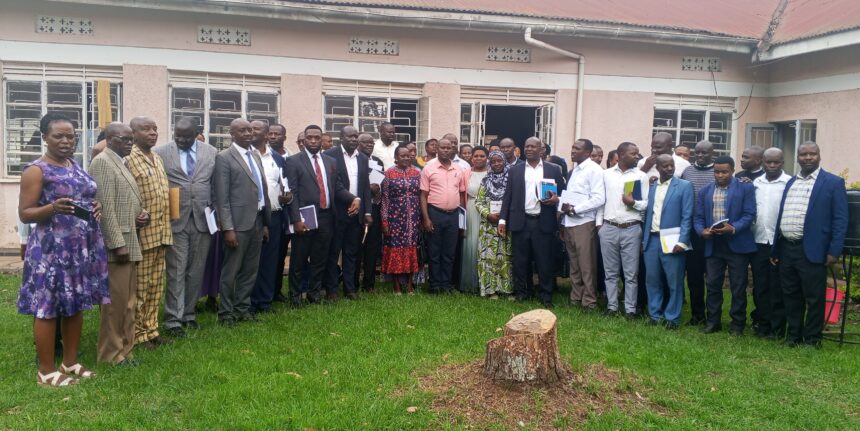
KISORO UGANDA: Kisoro District councilors have asked the Ministry of Local Government to increase their allowances, saying the 150,000 shillings they receive every three months is insufficient to meet the costs of carrying out their official duties.
The demand comes at a time when the fight against corruption among local government leaders is taking shape, with councilors expected to play a key role in monitoring government programmes and holding public officials accountable.

The councilors made the call on Monday during the opening of a three-day induction training for newly elected LC5 councillors at the Kisoro District Council Hall.
The training, facilitated by the Ministry of Local Government, is aimed at equipping the newly elected councilors with knowledge and skills to effectively perform their legislative, oversight and representation roles.
The Kisoro District Council Speaker, Amos Hakizimana, said there is a misconception among members of the public that councilors begin earning substantial amounts of money once they start attending district council meetings.
Hakizimana said councilors face numerous financial challenges, particularly the cost of transportation, which he said sometimes makes it difficult for them to attend council sittings and carry out other official responsibilities.
He called for consideration of better facilitation for councilors so that they can effectively perform their duties without being overwhelmed by the costs involved.
Merab Win, a woman councilor representing Kirundo Sub-county and Rubuguri Town Council, said the low allowances make it difficult for councilors to effectively execute their government responsibilities.
She also called for improved cooperation between political leaders and technical staff, particularly in matters concerning public finances.
According to Win, a good working relationship between elected leaders and technical officers is important for effective service delivery and proper management of public resources.
Another councilor, Methodius Arinitwe, representing Nyanamo Town Council, said councilors spend a significant amount of their allowances on transportation while moving around their areas to perform official duties.
Arinitwe said that after meeting transport-related expenses, little or nothing remains from the allowance provided to councilors.
However, Mpeirwe Naboth from the Ministry of Local Government acknowledged that councilors receive limited allowances but urged them to remain committed to serving their communities.
Naboth, who said he previously served as an LC5 councilor, described local government leadership as a responsibility that requires patriotism, commitment and dedication to public service.
He explained that the government also provides funds to facilitate councilors in conducting oversight and monitoring of government projects, non-governmental organizations and other development initiatives within their communities.
Naboth urged the newly elected councilors to perform their duties diligently, saying the government could consider reviewing their allowances in the future.
Meanwhile, Monday Wilson, also from the Ministry of Local Government, appealed to residents to stop pressuring councilors to give them money whenever they are invited to community meetings.
Wilson explained that councilors are not salaried and that the allowances they receive are primarily intended to facilitate transportation and other official duties.
He instead encouraged councilors to engage in income-generating activities, including planting bananas, coffee and other crops, to supplement their income.
The three-day induction training is expected to strengthen the capacity of the newly elected councilors to understand their roles, conduct effective oversight and contribute to improved service delivery in Kisoro District.