
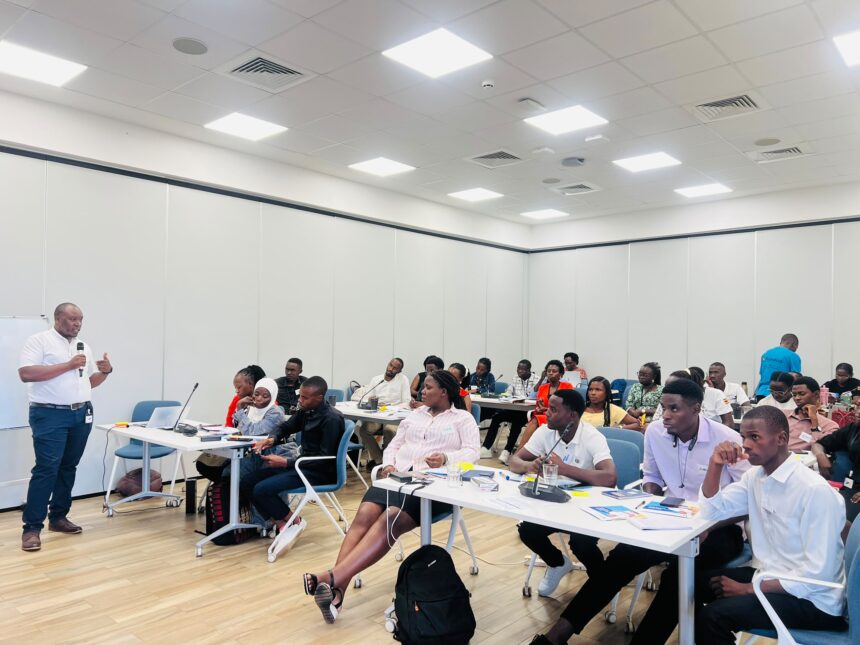
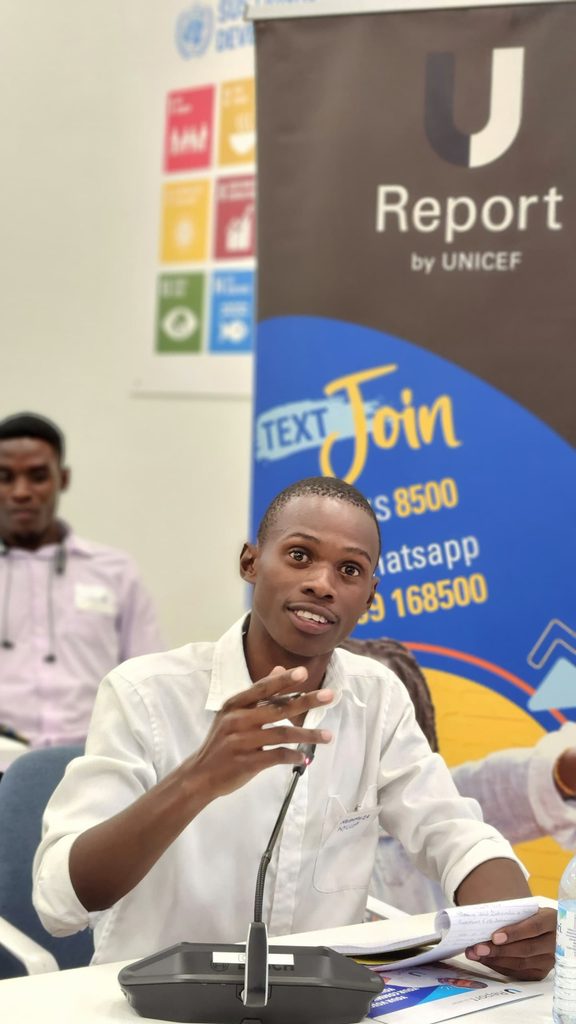
KAMPALA UGANDA— U-Report, a UNICEF-supported platform that empowers young people to speak out and participate in decisions affecting their lives, has brought together more than 40 youth trainers and facilitators from 18 locations across Uganda for a two-day Public Health U-Report Reporters Training of Trainers (ToT).
The training, which started on Wednesday, October 7, and will end on Thursday, October 8, 2026, is being held at the UNICEF Uganda Country Offices in Kampala.

The training is organized by the Communication for Development Foundation Uganda (CDFU), together with the Evidence and Methods Lab, for UNICEF Uganda.
The ToT is aimed at strengthening the capacity of facilitators who will in turn conduct Cohort 22 preparation sessions in their respective locations.
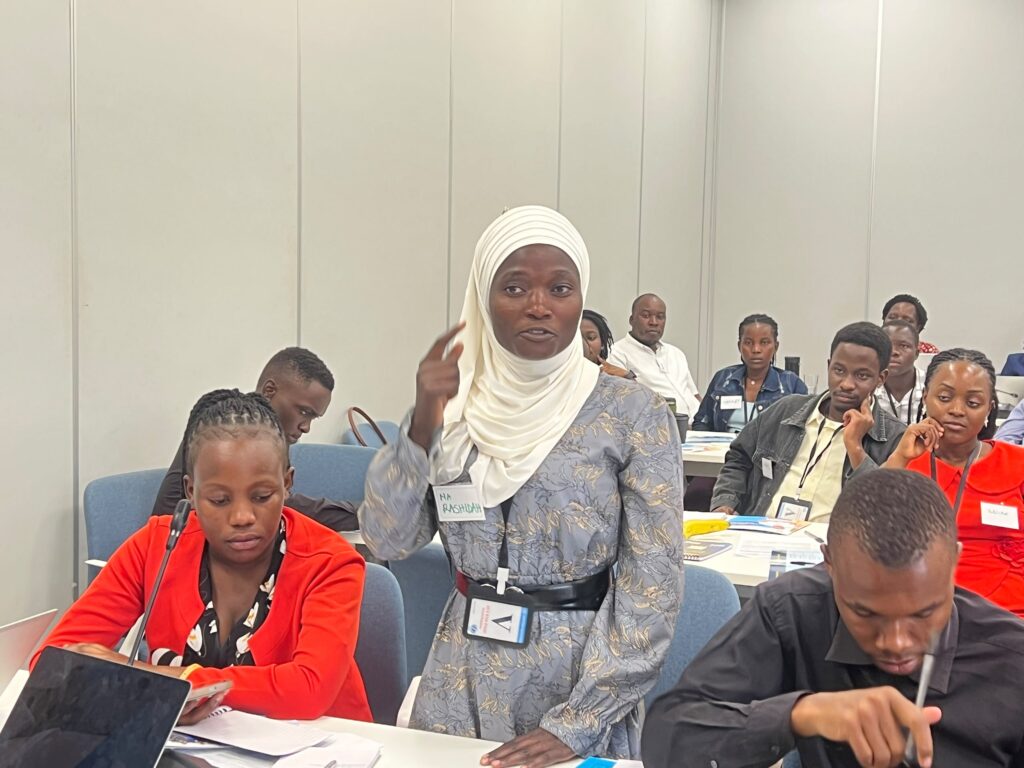
The facilitators are being prepared to deliver the sessions, follow the required competencies, verify participants against five standards, develop and align role standards, and ensure that all trainers are working with one agreed content package before it is adapted to local contexts.
The training is part of a wider effort to create a coordinated network of youth reporters capable of identifying public health challenges, countering misinformation, promoting accurate health information and mobilizing their peers to take action within their communities.
Participants are drawn from Kampala, Mukono, Wakiso, Arua, Arua City, Zombo, Nebbi, Kasese, Bundibugyo, Ntoroko, Buliisa, Hoima City, Kikuube, Kisoro, Mbarara City, Mbarara District and Isingiro.
After completing the training, the participants are expected to return to their respective locations and train other youth trainers. The trained trainers will then continue cascading the knowledge and skills to other young people, creating wider networks of U-Reporters capable of supporting public health communication and community action.
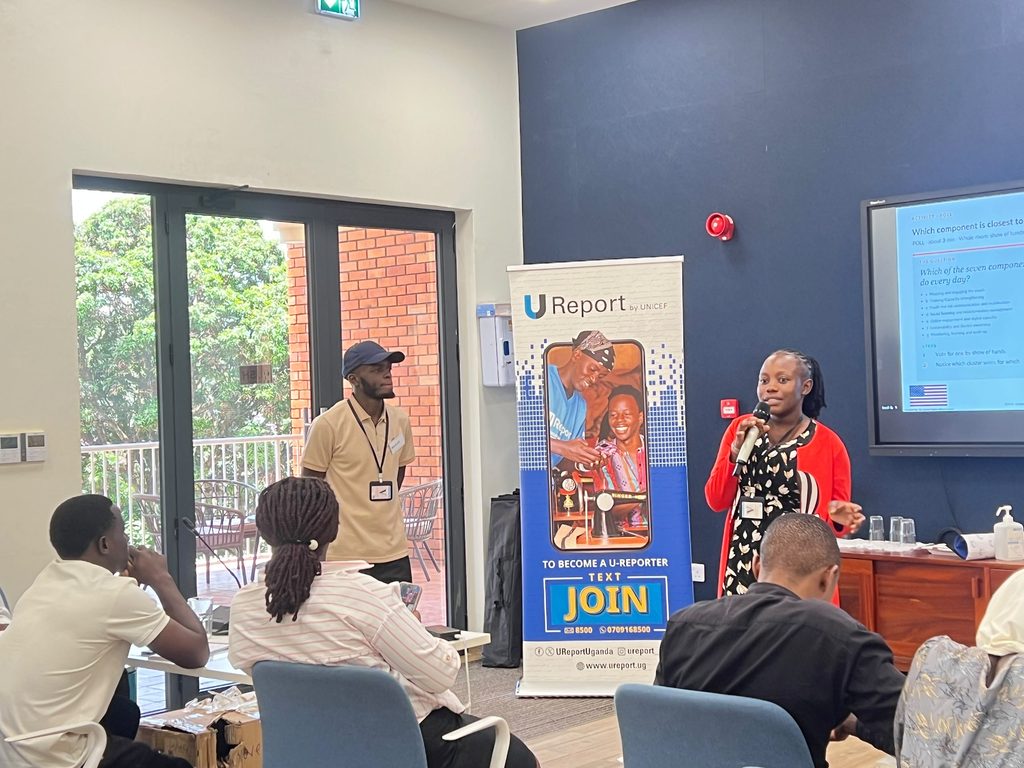
The training is designed to strengthen the ability of youth trainers to counter misinformation, promote local health action and mobilize peer networks.
Through the cascading approach, U-Report hopes to reach more young people with accurate and reliable health information while encouraging them to become active participants in addressing challenges affecting their communities.
The initiative is being implemented under the U-Report Communities of Action, a youth-led approach that encourages young people to move beyond receiving information and participate directly in meaningful action within their communities.
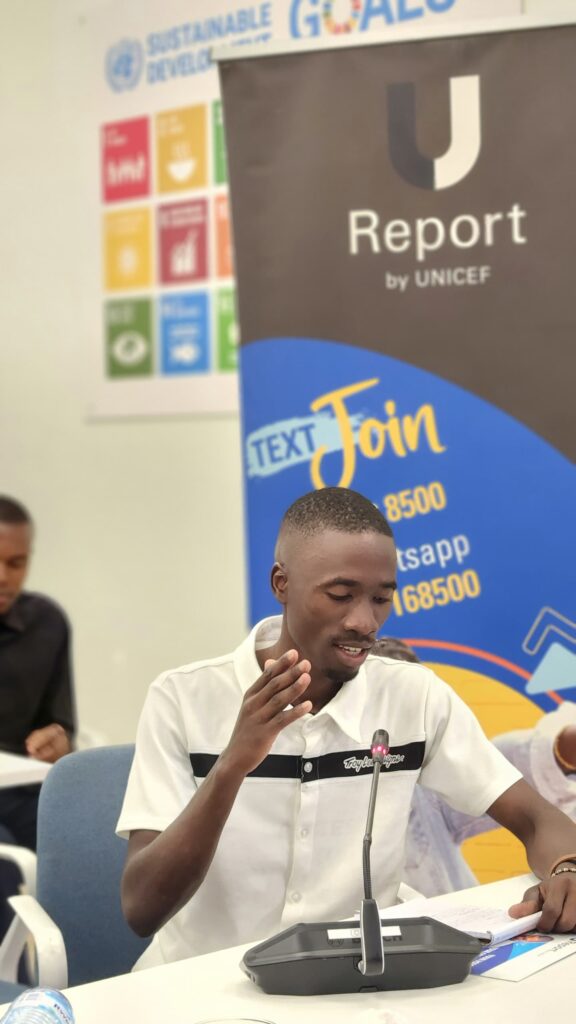
The Communities of Action recognize young people as not only beneficiaries of development programmes but also important actors who can use their voices, networks and knowledge of local communities to identify challenges and support solutions.
Speaking during the training, Nankunda B. Allen, the Team Lead, urged participants to make better use of peer networks and influential people within their communities to promote positive social and behavioural change.
Nankunda said the strength of U-Report lies not only in the formal structures of the programme but also in the relationships that young people build with their peers and other influential members of society.
He encouraged the youth to remain committed to their work even when they are not financially compensated.
According to Nankunda, the absence of payment should not prevent U-Reporters from participating in activities aimed at creating positive change, noting that the social networks built through the programme can provide significant value.
He also encouraged participants to seek guidance from senior U-Reporters whenever they face challenges while carrying out their activities in the field.
Aaron Musiimenta, the Social and Behavioural Change Lead, challenged the participants to use the knowledge and skills acquired during the training to influence harmful social norms in their respective communities.
Musiimenta emphasized that providing information alone is not always enough to create change, arguing that communities also need to be encouraged to take action.
He encouraged the youth actors to focus on moving people from simply receiving information to making practical decisions and taking action on public health issues affecting their communities.
Musiimenta also discussed the Community Pulse, assignments being implemented across the 18 locations and the five expected results that form part of the programme’s approach to community engagement and action.
Joan Ayebazibwe, a Youth Engagement and Community Mobilisation Specialist, urged participants to strengthen community engagement by involving different members of society in the Communities of Action.
Ayebazibwe encouraged each participant and group to mobilize more young people and other community members, with an emphasis on expanding the reach of the initiative.
She explained that different roles within the Communities of Action including Leader, Listener, Connector, Moderator and Creator can be performed collectively by a group or by an individual, depending on the local context.
Ayebazibwe also emphasized the importance of collaboration between U-Reporters and government workers.
She said UNICEF and U-Report are working collaboratively with government structures to support community initiatives and ensure that youth participation contributes to broader public service and community development efforts.
Kenneth Tuyisenge took participants through the U-Report Ecosystem and Governance, covering the Communities of Action, Standard Operating Procedures, platform roles and the responsibilities retained by UNICEF.
The session was intended to help participants understand how the different components of U-Report fit together and the roles played by youth, trainers, community actors and UNICEF within the programme.
Tuyisenge also introduced participants to FunDoo, a digital reporting component under U-Report, highlighting how digital platforms can be used to support youth engagement, reporting and access to information.
The two-day training is expected to provide the participating trainers with the knowledge and practical skills required to train other youth actors in their respective districts.
The cascading model means that the 18 locations represented at the training will serve as starting points for wider training at community level.
Through the approach, U-Report seeks to build a growing network of informed and engaged young people who can identify public health concerns, challenge misinformation, share accurate information and mobilize their peers to respond to issues affecting their communities.
The programme also places emphasis on ensuring that the content delivered to young people remains consistent while allowing local trainers to adapt activities to the realities and needs of their respective communities.
The training therefore marks another step in strengthening youth participation in public health communication and community action, with the participating trainers expected to transfer the knowledge acquired to other youth in their respective locations.



This is a good move and i believe community leaders should be part of it for effectiveness. Thanks !