
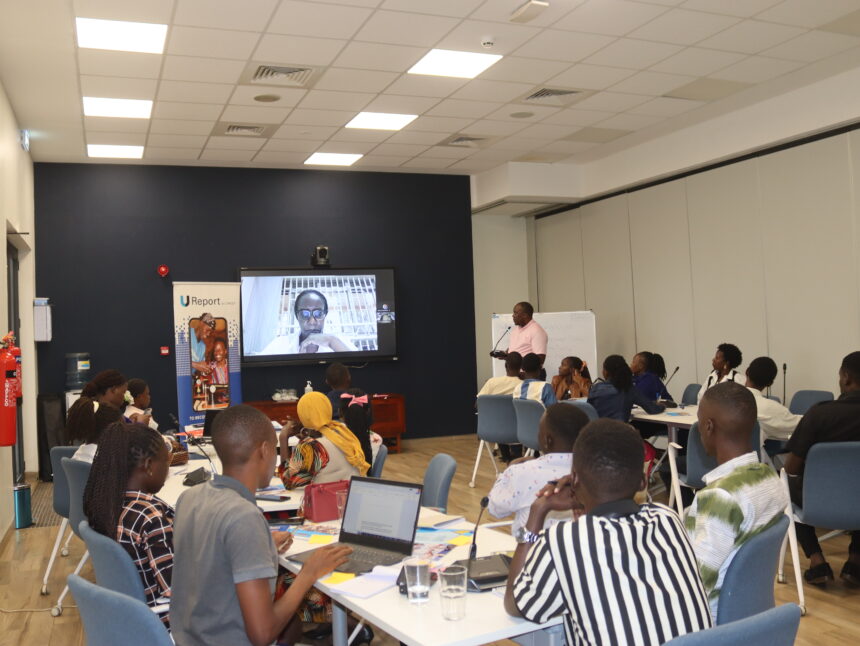
KAMPALA UGANDA: The United Nations Children’s Fund (UNICEF), in partnership with the Ministry of Health and other implementing partners, has trained more than 40 youth representatives from 18 districts and cities across Uganda to strengthen community communication and youth-led action during public health emergencies.
The two-day Public Health U-Report Reporters Training of Trainers was held on October 7 and 8, 2026, at the UNICEF Uganda Country Office in Kampala, bringing together young people equipped to support communities with accurate health information, counter misinformation and mobilise action during emergencies.

Among the participants was a youth representative from Kisoro District, who joined others from across Uganda for the training aimed at strengthening the capacity of young people to identify community concerns, listen to communities and support appropriate responses to public health challenges.
The training focused on community listening, youth engagement, risk communication, countering misinformation, promoting verified health information and encouraging youth-led action during public health emergencies.
Participants came from Kampala, Mukono, Wakiso, Arua, Arua City, Zombo, Nebbi, Kasese, Bundibugyo, Ntoroko, Buliisa, Hoima City, Kikuube, Kisoro, Mbarara City, Mbarara District and Isingiro.
The training was organised by the Communication for Development Foundation Uganda (CDFU), together with the Evidence and Methods Lab, for UNICEF Uganda.
It was conducted under the U-Report Communities of Action approach, which encourages young people to move beyond receiving information and actively participate in identifying challenges and contributing to solutions within their communities.
U-Report is a UNICEF-supported platform that gives young people an opportunity to express their views and participate in decisions and actions affecting their lives.
The Training of Trainers was also designed to prepare youth facilitators for Cohort 22 preparation sessions in their respective areas. The trained participants are expected to share the knowledge and skills gained with other young people, helping to expand the network of youth who can support reliable public health communication and community action.
Speaking at the conclusion of the training, Miriam Nagadya Lwanga, a Social and Behaviour Change Specialist at UNICEF Uganda, encouraged the newly trained U-Reporters to remain curious, willing to learn and committed to documenting their work.
Nagadya urged the participants to put the knowledge acquired during the training into practice and properly document the activities they undertake in their communities.
She also encouraged them to consider how their work can be sustained beyond individual activities and thanked the organisers, participants and the Ministry of Health for supporting the initiative.
Fatuma Namukose, a Programme Assistant and U-Report Coordinator at UNICEF Uganda, urged the participants to take protection, sexual exploitation and abuse seriously while carrying out their responsibilities in communities.
Namukose encouraged the youth trainers to work with others and remain willing to contribute to community activities, including through voluntary service.
She reminded the participants that they would represent UNICEF in their communities and warned that the actions of one individual could affect the reputation of the wider organisation.
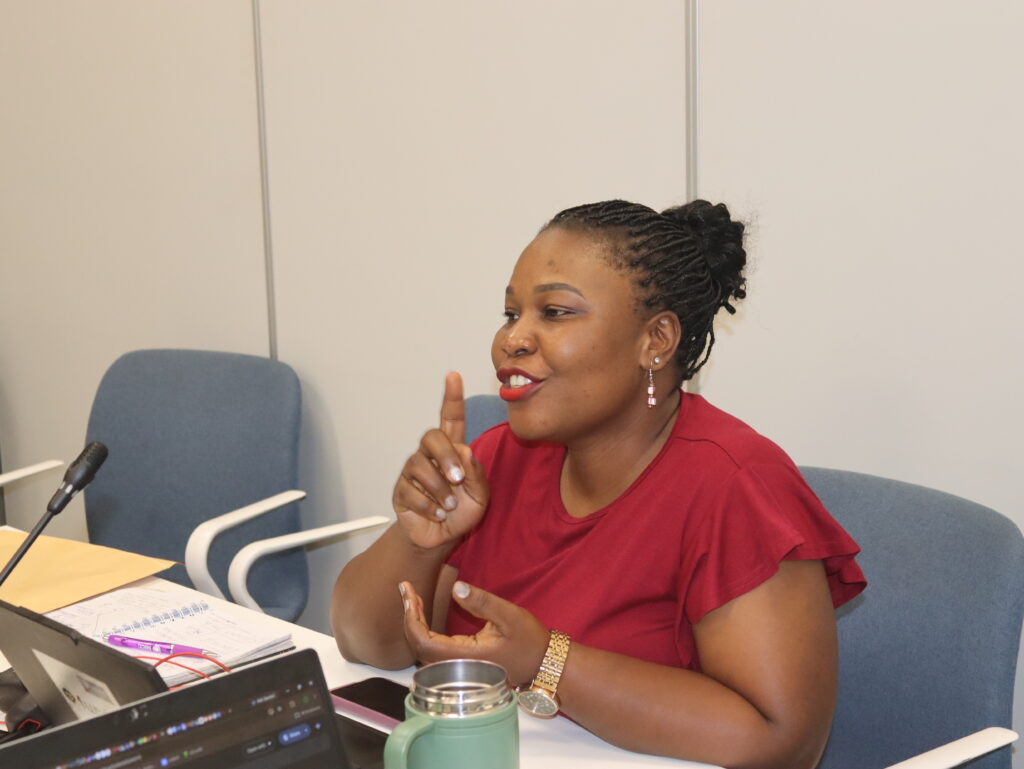
She therefore urged the youth to uphold high standards of conduct, avoid sexual exploitation, abuse and harassment, and take seriously the responsibility that comes with representing their districts.
Jackson Kadumye, a Senior Communications Officer at the Ministry of Health, challenged the young people to take the lead in their communities and demonstrate commitment in carrying out the responsibilities assigned to them.
Kadumye encouraged the participants to continue learning and share the skills acquired with other young people.
He described the programme as an opportunity that could create future opportunities for participants, despite the voluntary nature of much of the work.
Using Village Health Teams as an example, Kadumye noted that some people began by serving voluntarily before gaining opportunities within the health sector.
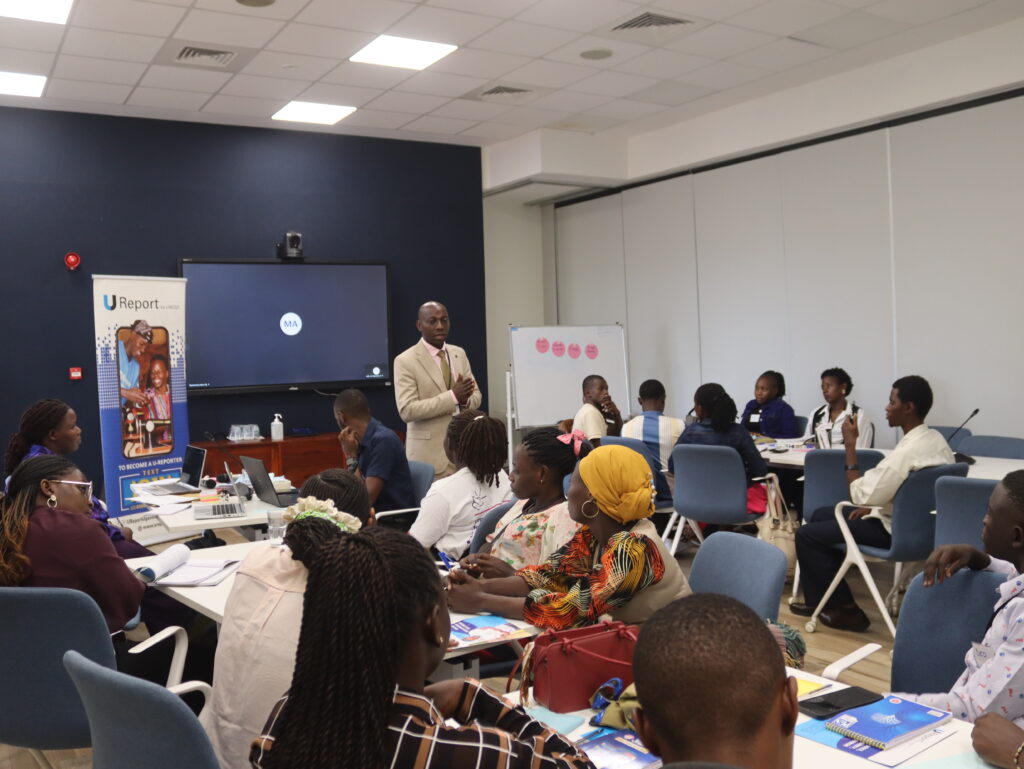
He, however, warned participants to expect challenges and encouraged them to seek guidance and maintain communication with their supervisors whenever they encounter difficulties.
Kadumye also emphasised the importance of using verified information when communicating about public health issues. He urged the youth to cross-check information through official Ministry of Health communication channels before sharing it with communities.
Tushabeonwe Allen Batwera, a Helpline Case Supervisor at the Ministry of Gender, Labour and Social Development, encouraged the participants to use the toll-free Child Helpline 116 whenever they encounter cases requiring intervention or support.
Batwera highlighted the importance of referral and case management, including in situations involving vulnerable people and migrant workers.
She explained that the ministry has systems for case management, social welfare support, rescue services and counselling.
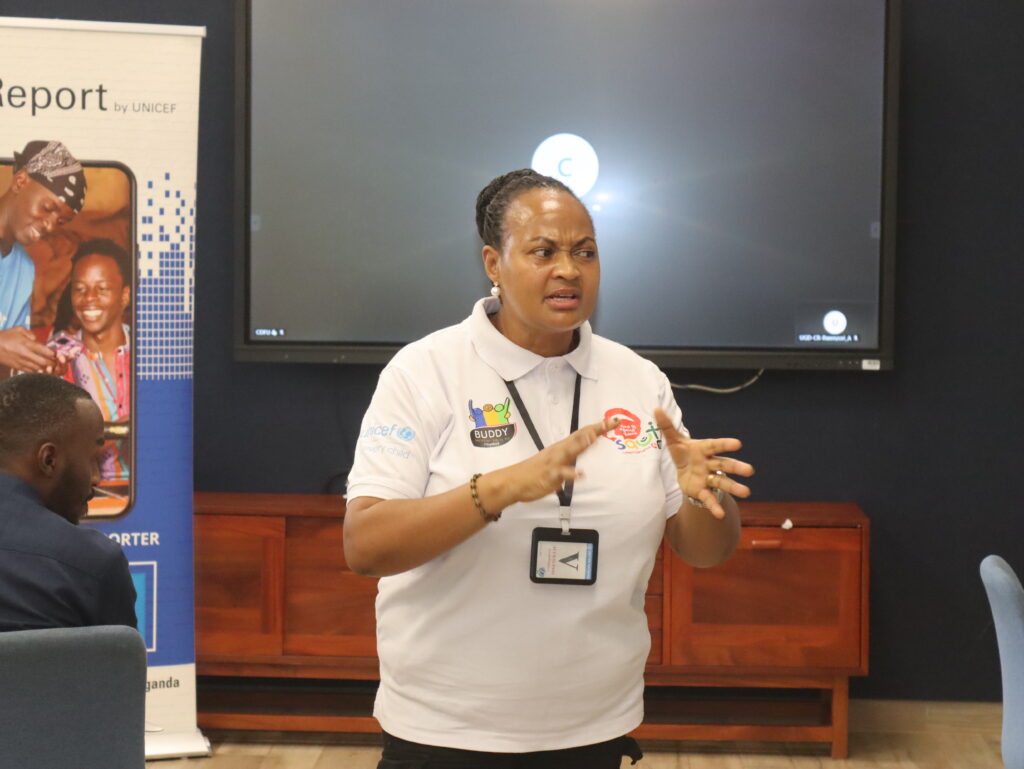
She urged the participants to work with relevant institutions, maintain confidentiality and ensure that cases are handled safely and responsibly.
Nankunda B. Allen, a Team Lead at CDFU, called on the newly trained youth trainers to develop clear work plans and remain consistent in implementing their assigned activities.
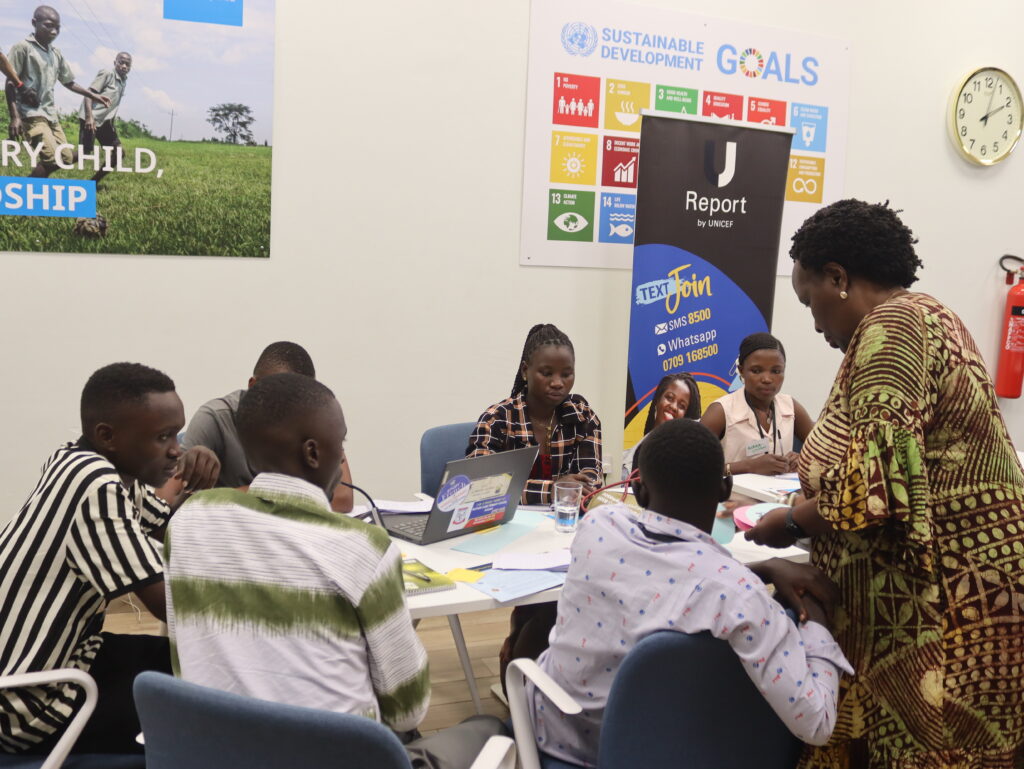
She urged participants to submit their reports weekly and ensure that planned activities are delivered.
Nankunda also highlighted the importance of recruiting other young people, using digital platforms effectively and identifying challenges that may require additional support.
Aaron Musiimenta, the Social and Behavioural Change Lead, congratulated the public health emergency cohort upon completing the training and challenged the participants to apply the knowledge and skills they had gained in their communities.
He encouraged them to remain committed to the journey ahead and understand their role in strengthening public health communication and community action.
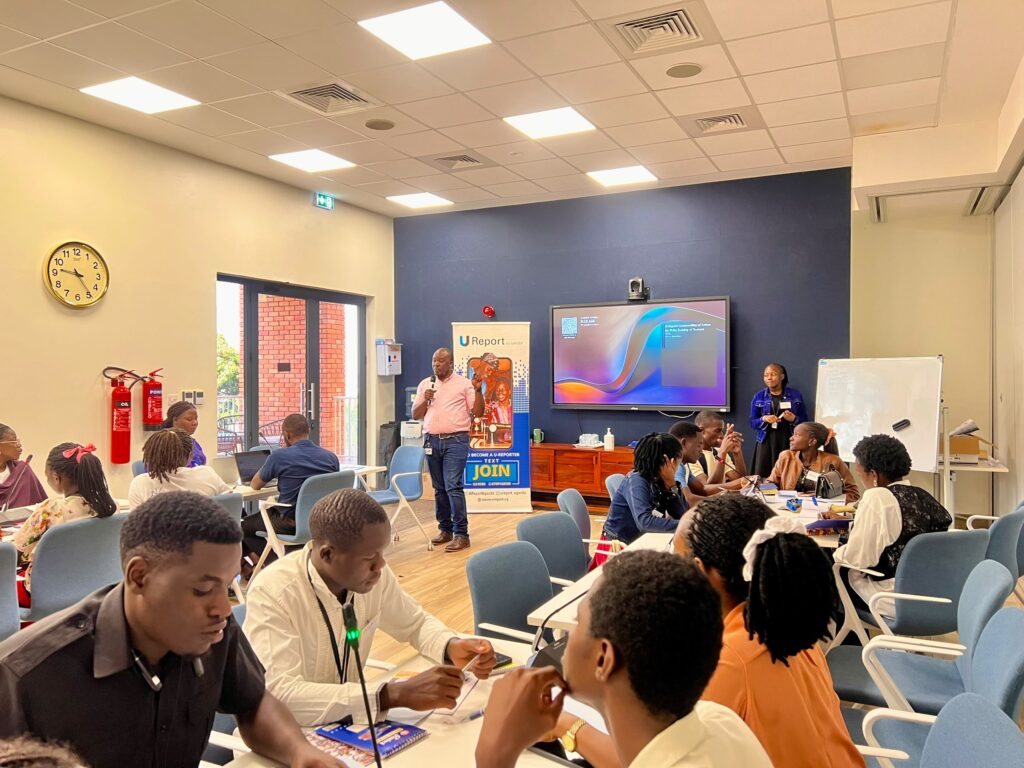
The participants acknowledged the lessons from the training and committed themselves to putting the knowledge and skills acquired into practice when they return to their respective communities.
For the participants, the training provides an opportunity to take the lessons on community listening, verified health information and youth-led action back to the district and contribute to stronger communication during public health emergencies.
Basemera Vanessa Cleopatra, a Ugandan youth activist and member of the U-Report Global Youth Steering Committee, also congratulated the participants.
Basemera shared her experience in youth engagement, recalling how she joined U-Report around 2020 and later became part of a reference group under the Ministry of Gender, Labour and Social Development.
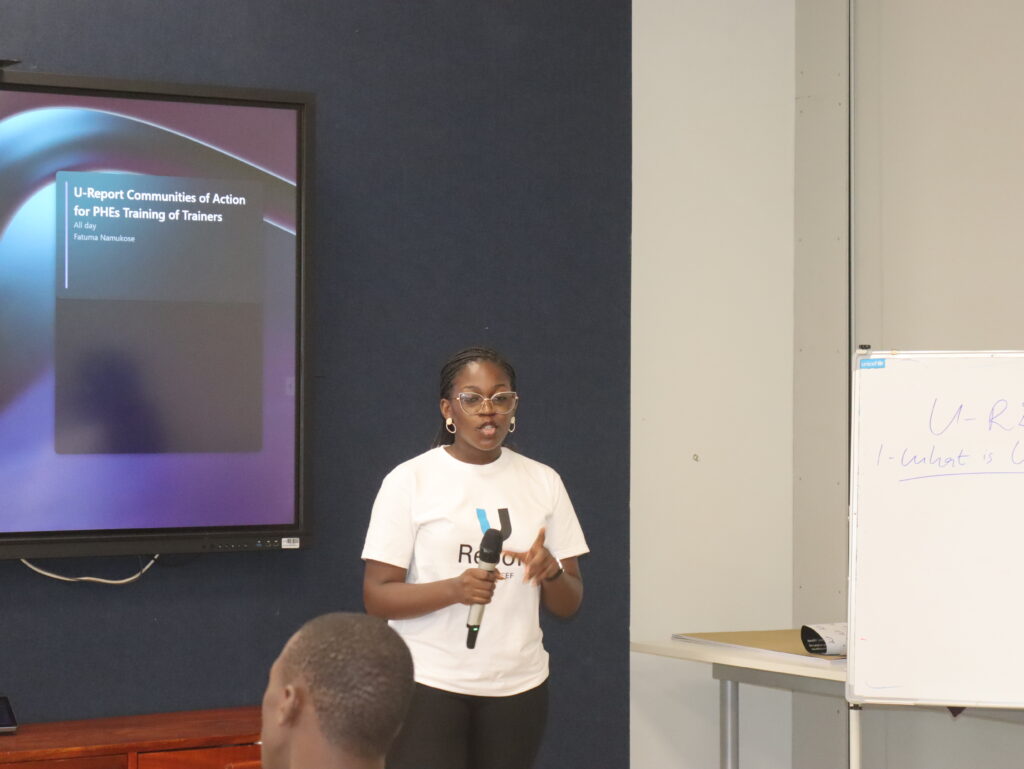
She encouraged the newly trained youth trainers to translate the knowledge and ideas discussed during the training into practical activities within their communities.
Joan Ayebazibwe, a Youth Engagement and Community Mobilisation Specialist, thanked UNICEF, CDFU and the Ministry of Health for supporting the training.
Ayebazibwe encouraged the newly trained U-Reporters to remain active in their communities and use the skills acquired to support meaningful youth engagement and community mobilisation.
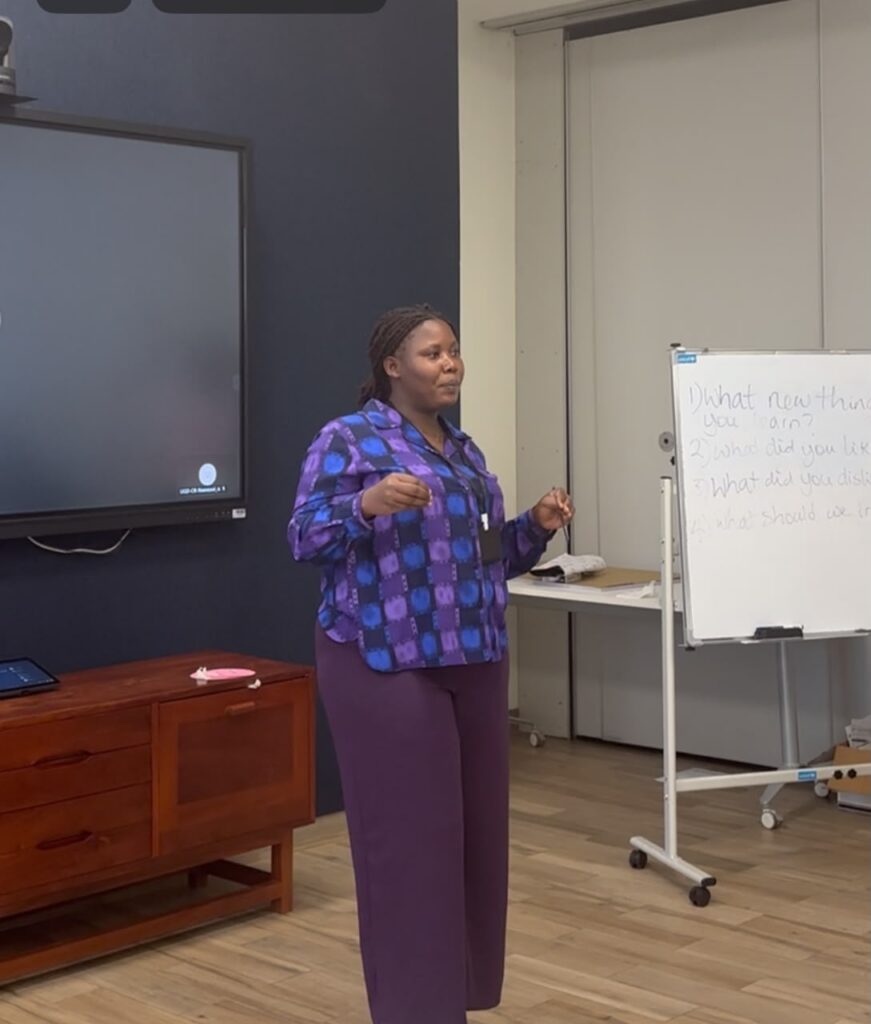
The trained youth reporters are now expected to return to their respective districts and cascade the training to other young people, helping to strengthen community-level communication and preparedness during public health emergencies.
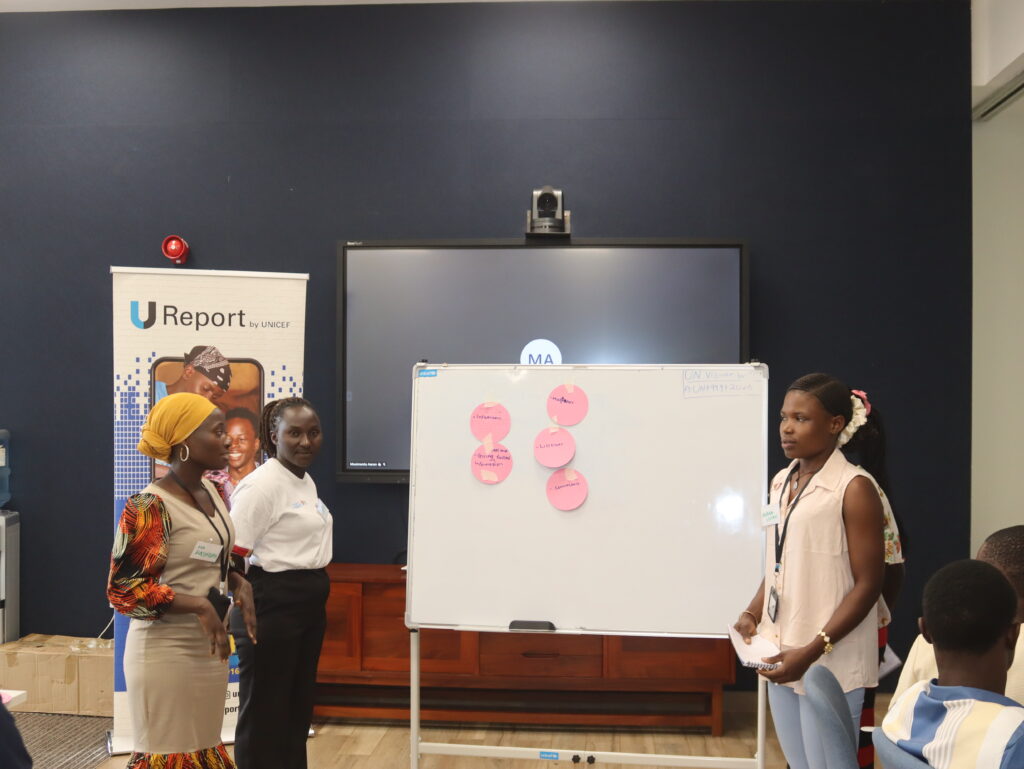
At the end of the two-day training, participants were also awarded certificates in recognition of their completion of the programme.



This is great training on U report