RUBANDA UGANDA: Rubanda District Chief Administrative Officer (CAO) Samuel Ahabwe has called for teamwork and respect for institutional mandates among political leaders, technical staff, Boards and Commissions to improve service delivery to the people.
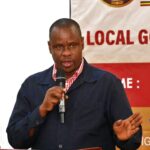
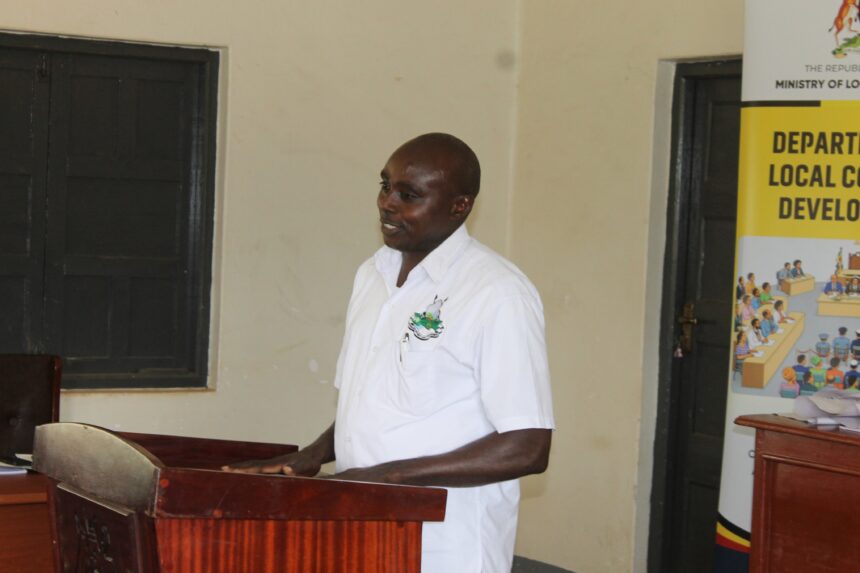
Ahabwe made the call on Tuesday, October 6, 2026, while addressing newly elected district council members, heads of departments, Boards and Commissions during an induction training held at the Rubanda District Council Hall.

The induction was organised by the Ministry of Local Government to equip leaders with knowledge and understanding of their roles, responsibilities, and the legal and institutional framework governing local government operations.
Ahabwe said the induction should not be treated as a mere formality but as an important opportunity for leaders to understand their respective responsibilities and how they can work together effectively.
“The political leadership provides policy direction, oversight and representation of the people, while the technical team is responsible for implementing policies, managing public resources and providing professional and technical advice,” Ahabwe said.
He noted that Boards and Commissions also have specific mandates that must be respected and effectively discharged.
Ahabwe warned that failure to understand and respect institutional roles could lead to conflicts, undermine accountability and affect the effective functioning of local government.
However, he stressed that the separation of roles should not mean working in isolation, urging leaders to unite around the common goal of serving the people of Rubanda.
“We must separate roles, but we must unite in purpose. Our common purpose is the same: to serve the people of Rubanda District and contribute to their social and economic development,” he said.
Ahabwe called upon political leaders, council members, Boards and Commissions, the Resident District Commissioner, security leaders and technical staff to respect one another’s mandates and work as one team.
He said the technical team was committed to providing professional advice, implementing lawful decisions and supporting political leaders in delivering services to communities.
He, however, appealed to political leaders and other governance structures to provide the necessary oversight, guidance and support to enable technical staff to effectively perform their duties.
The CAO said the success of the district should not be measured by the number of meetings held, reports written or decisions made, but by the impact of government services on the lives of ordinary citizens.
He identified improved roads, quality education, accessible health services, clean water, increased agricultural production, environmental protection and improved household livelihoods as some of the key areas that should demonstrate the district’s progress.
“For this to happen, we need teamwork, integrity, accountability, discipline and commitment to duty,” Ahabwe said.
He challenged council members, Board and Commission members, and technical officers to continuously ask themselves what difference their work was making in the lives of ordinary citizens.
Ahabwe also encouraged leaders to resolve disagreements through dialogue and established laws and procedures rather than engaging in blame, noting that the challenges facing the district should be addressed collectively.
He expressed confidence that a strong partnership between political and technical leadership, supported by government and development partners, would enable Rubanda District to achieve meaningful progress during the new term of office.
The induction training is aimed at equipping district council members, Boards and Commissions with the knowledge and skills required to effectively execute their mandates and contribute to improved local governance and service delivery.