


KISORO UGANDA: The 2026 Virunga Gorilla Marathon has sparked renewed debate over the exclusion and continued marginalisation of the Batwa community, with human rights defenders questioning why the indigenous people who historically lived alongside and conserved mountain gorillas are not adequately benefiting from gorilla tourism.
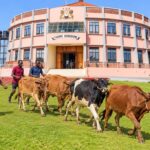
The marathon held on Saturday at the Mayor’s Gardens in Kisoro Municipality, bringing together runners, conservation enthusiasts and other stakeholders to promote tourism, environmental conservation and community development in the Virunga region.

However, the event has also reignited concerns over the welfare of the Batwa, who were evicted from their ancestral forests following the establishment of conservation areas and have since faced challenges including landlessness, poverty and social exclusion.
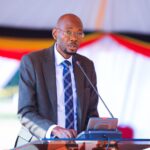
Speaking about the issue, Mbereyinka Bernard, a social worker, human rights defender and researcher, argued that any discussion about gorilla conservation that excludes the Batwa is a mistake.
Bernard explained that the Batwa historically depended on forests for their livelihoods, cultural identity and survival, adding that they coexisted with mountain gorillas and other wildlife long before modern conservation programmes were introduced.
He noted that the Batwa regarded the forests as their ancestral homes and played a role in protecting the natural environment, arguing that their historical contribution should be recognised in today’s conservation and tourism programmes.
According to Bernard, Uganda and neighbouring countries implemented wildlife conservation programmes that resulted in the eviction of forest communities, including the Batwa, from protected areas around 1991.
He further claimed that some Batwa died while searching for alternative settlements after their eviction, arguing that they were not adequately provided with alternative land.
While appreciating the government’s efforts and those of conservation organisations in protecting mountain gorillas, Bernard said the benefits of conservation should also extend to the indigenous communities who historically lived in the forests.
He questioned why the Batwa continue to experience hunger, malnutrition, preventable diseases and landlessness while mountain gorilla tourism generates revenue for the country.
Bernard urged the government to reconsider its approach towards the Batwa, proposing that they be provided with land where they can establish permanent homes, practise agriculture and engage in income-generating activities.
He emphasised that supporting the Batwa does not necessarily mean returning them to protected forests but rather ensuring that they have decent living conditions and opportunities to participate in the country’s development.
“Let’s have something to do for this conservation group, not necessarily returning them back to the forests, but giving them land where they can settle and call home,” Bernard said.
Meanwhile, former Kisoro District Chairperson Abel Bizimana has also used the ongoing conservation celebrations to renew calls for the recognition and inclusion of the Batwa.
In his remarks, Bizimana argued that the 2026 Mountain Gorilla Festival provides an opportunity to raise the concerns of the Batwa, particularly as government institutions, conservation agencies, tourism stakeholders and international representatives participate in activities promoting gorilla conservation.
He described the Batwa as conservation refugees, arguing that they lost their ancestral homes and cultural heritage after being removed from the forests they had historically inhabited.
Bizimana observed that landlessness and social exclusion remain major obstacles to the community’s development, warning that the availability of government programmes such as free education, healthcare and the Parish Development Model may not translate into meaningful benefits if the Batwa’s underlying challenges remain unresolved.
He called for what he described as a Proportionate Universalism approach, in which government interventions are designed to respond to the particular disadvantages experienced by the Batwa.
He also compared their circumstances with those of other indigenous minority communities, including the Ik and Benet, arguing that different communities experience varying levels of marginalisation and require targeted interventions.
Bizimana further raised concerns about the Batwa’s political representation and access to land, calling for stronger recognition of their rights and participation in decision-making processes.
He also highlighted the importance of indigenous knowledge, particularly traditional medicinal practices derived from forest resources, saying such knowledge could contribute to future African health research and development.
“BATWA CONSERVED GORILLAS FOR US. LET THEM BE THE FIRST BENEFICIARIES,” he emphasised.
The debate raises a broader question about the relationship between wildlife conservation, indigenous rights and tourism development in the Virunga region.
While mountain gorilla conservation has positioned Uganda as a leading international tourism destination, human rights advocates argue that conservation programmes must also address the historical displacement and present-day challenges of communities that once depended on these forests.


I support the idea of including Batwa in these big activities they are the reasons why we still have the mountain gorillas moreso they accepted to give out their land for the sake of conservation.