
KISORO UGANDA: Kisoro District has reportedly lost a multi-billion-shilling development project following concerns over the alleged marginalization, humiliation and violation of the rights of the Batwa, an indigenous minority community.
The project, which was expected to be secured through the lobbying efforts of Bukimbiri County Member of Parliament Eddie Kwizera Wagahungu, involved funding arrangements with the African Development Bank, the Islamic Development Bank and the World Bank. However, it was reportedly cancelled after a monitoring team visited the district and raised concerns about the poor living conditions of the Batwa community in Mikingo.

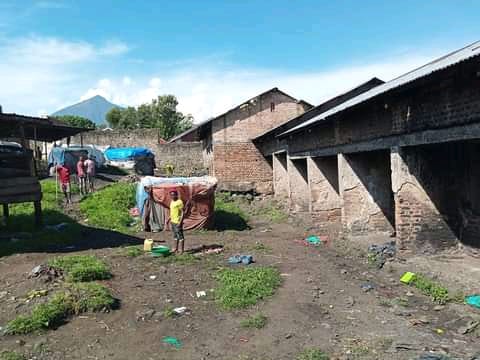
The team reportedly found members of the community living in difficult conditions, with limited access to basic necessities, including decent shelter and clean water, despite their proximity to the district headquarters.
The development has raised questions about the treatment of indigenous communities and their inclusion in government development programmes.
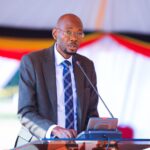
Bukimbiri County Member of Parliament Eddie Kwizera Wagahungu expressed concern over the loss of the project, arguing that the issues affecting the Batwa could have been addressed through dialogue and deliberate interventions instead of allowing the entire district to lose out on development opportunities.
CUE IN KWIZERA ON BATWA //
Kwizera also condemned the practice of using the Batwa primarily as tourist attractions while members of the community continue to struggle with poverty and poor living conditions.
He called for an end to what he described as the exploitation of the community for tourism purposes without adequately addressing their welfare.
The legislator urged district authorities and other stakeholders to prioritise the integration of the Batwa into mainstream society through education, access to land and improved living conditions, rather than continuing to treat them as a marginalised group.
He also spoke about the Batwa-related project under the Office of the Prime Minister, pledging to follow up on the matter to ensure that the community benefits from government interventions.
CUE IN WAGAHUNGU ON INTEGRATION //
Meanwhile, the Minister of State for Tourism and Antiquities Susan Nakawuki Nsambu called for the promotion of cultural tourism involving the Bafumbira, Batwa and Bakiga communities, rather than concentrating exclusively on the Batwa cultural trail in Kisoro District.
The minister said the different cultural identities in the district offer an opportunity to diversify tourism products beyond gorilla trekking, allowing visitors to experience the traditions and lifestyles of local communities.
He noted that promoting cultural tourism would encourage tourists to spend more time in the district, creating additional income opportunities for communities and local businesses.
CUE IN MINISTER ON BATWA CULTURAL TRAIL //
BACKGROUND
The Batwa are among the indigenous forest-dwelling communities of the Great Lakes region of Central Africa. Traditionally, they depended on forests for food, shelter, medicine and other aspects of their cultural and spiritual identity.
In southwestern Uganda, the Batwa historically inhabited the Bwindi Impenetrable Forest and the Mgahinga forests.
Their lives changed significantly in 1991 when Bwindi and Mgahinga were gazetted as national parks to protect endangered mountain gorillas and their habitats. The conservation measures resulted in the Batwa being evicted from their ancestral forests.
The displacement deprived many members of the community of their traditional sources of livelihood, access to forest resources and places of cultural and spiritual significance. Many were left without adequate alternative land, housing or compensation.
Over the years, the Batwa have continued to face challenges, including poverty, limited access to education, landlessness, discrimination and inadequate access to essential services.
Although Batwa cultural experiences have become part of Uganda’s tourism products, concerns remain about ensuring that the community benefits meaningfully from tourism while enjoying their rights, dignity and equal opportunities as citizens.