

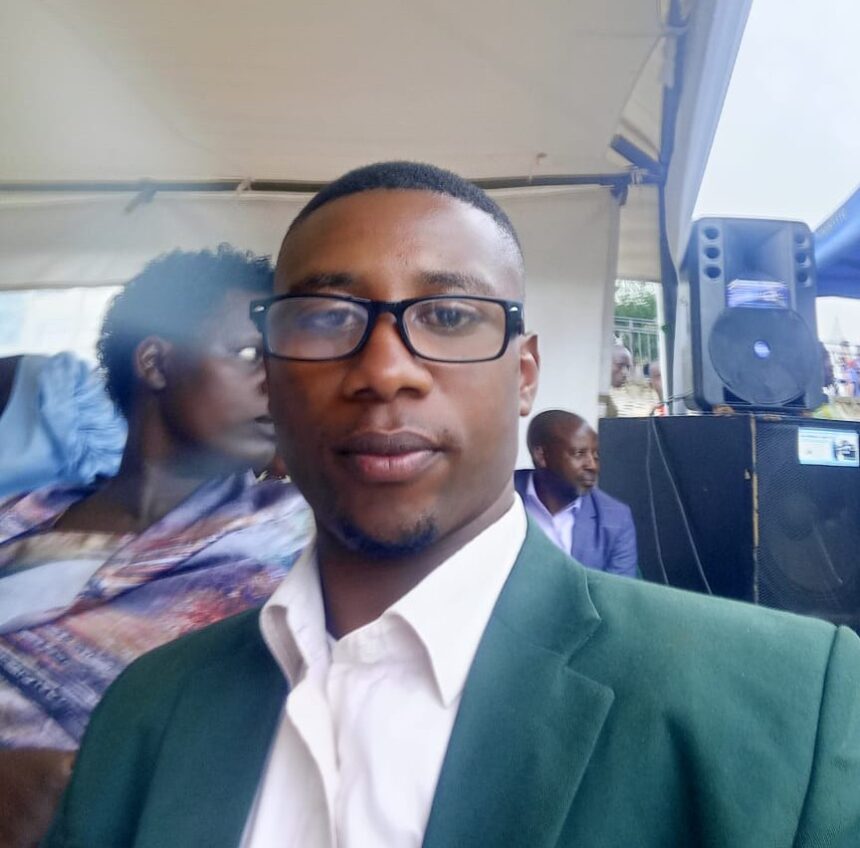
OPINION: Uganda has made progress in maintaining peace and security, and I would like to appreciate the security agencies, local government leaders and other public servants who continue to serve our country.
Special recognition goes to the Uganda People’s Defence Forces (UPDF), the Uganda Police Force, the Uganda Prisons Service, and local government leaders, including LC I, LC II, LC III and LC V chairpersons, as well as PISO, GISO, DISO and RDC officials.

However, as a patriotic cadre, I believe there is a need to pay greater attention to the welfare of ordinary Ugandan households, particularly families from humble backgrounds that struggle to afford even the most basic necessities.
Peace and security are important, but they should also create an environment in which families can improve their living conditions, educate their children and engage in productive economic activities.
It is concerning that some households, regardless of whether they come from wealthy or humble backgrounds, lack essential items that contribute to a decent standard of living.
These include blankets, chairs and benches, mattresses, sleeping mats, plates, forks, mugs, underwear, socks and shoes. Some families also lack basic sanitation facilities, including latrines and bathrooms.
In some communities, people continue to wear torn clothes and shoes because they cannot afford replacements. Such challenges should not simply be dismissed as ordinary household problems. They deserve attention from families, community leaders and relevant government institutions.
I encourage Ugandans to take responsibility for improving their household welfare by setting priorities, planning their spending and gradually acquiring essential items. Even small improvements can make a significant difference to a family’s dignity, health and well-being.
Agriculture remains an important opportunity for many Ugandan households to generate income, improve food security and meet their daily needs.
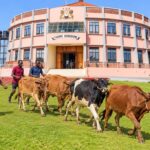
I encourage families with access to land to consider productive agricultural activities such as dairy farming, poultry keeping, livestock rearing and other suitable farming enterprises. Farmers can also grow crops such as coffee, cocoa, beans and millet, depending on the suitability of their land and local conditions.
However, agricultural investment requires proper planning, access to markets, reliable extension services and sound financial management. Families should choose enterprises that match their resources and gradually expand as their income improves.
Government support through the Ministry of Agriculture, Animal Industry and Fisheries, district production departments and other relevant institutions can help farmers access knowledge, improved farming practices and appropriate support programmes.
My appeal is that families should look at agriculture not merely as a way of producing food, but also as a potential source of income that can help them provide decent housing, clothing, sanitation and education for their children.
As someone who comes from a humble family, I understand the importance of education and the challenges that financially struggling households face.
I urge parents and guardians to prioritise their children’s education and take advantage of available government-supported primary and secondary education programmes.
Parents should not feel pressured to send their children to expensive private schools simply because their neighbours or wealthier families can afford them. Every family has different financial circumstances, and the most important consideration should be the quality of education a child receives, alongside adequate parental guidance and support.
Government schools can provide an opportunity for families to educate their children without incurring the fees charged by many private institutions. Nevertheless, parents should assess the available schools carefully and remain involved in their children’s learning.
We must also recognise that school dropout is a serious concern. Some children leave school because their parents cannot afford scholastic materials, transport, meals or other educational requirements.
The government, parents, community leaders and education officials should work together to identify children who have dropped out and help them return to school.
Rather than relying on arrests as the main solution, authorities should investigate the reasons for school dropout and apply the appropriate child-protection and education measures. Children need support, guidance and access to learning opportunities, not punishment for the poverty they may be experiencing.
A child who drops out of school today could become a Member of Parliament, a local council leader, a head teacher, a district chief administrative officer or another important contributor to national development tomorrow. We should never underestimate the potential of a child because of their family’s financial situation.
I appeal to the government of Uganda, local government leaders, the Ministry of Agriculture and the Ministry of Education and Sports to strengthen programmes that directly benefit ordinary households.
Local leaders should help identify vulnerable families, promote community development initiatives and connect residents to available government programmes.
The education sector should strengthen efforts to keep children in school, support those who have dropped out and ensure that vulnerable learners are not left behind.
Agricultural extension services should also reach ordinary farmers with practical guidance on improving production, managing farm income and accessing markets.
At the same time, families must recognise that development requires personal responsibility. Government programmes can provide support, but parents and households also have a role to play in planning, working hard and making informed decisions.
Uganda’s development should be reflected not only in national programmes and public statements, but also in the daily lives of ordinary citizens.
A family that can afford basic clothing, maintain proper sanitation, access food and educate its children is better positioned to contribute to the country’s social and economic development.
I therefore call upon wealthy and humble families alike to examine their household priorities, invest wisely in productive activities and place the welfare of their children at the centre of their decisions.
I also urge government institutions and local leaders to strengthen service delivery so that vulnerable households can access the support they need to improve their living standards.
Let us work together for a Uganda in which families can live with dignity, children can access education and citizens can benefit meaningfully from the peace and security enjoyed in our country.
Let service delivery speak for itself.
Mr Aineplan Kenedy
Patriotic Cadre (PC) 18587
“Gen. MKM is my 10th President.”
Thanks bro. I learnt that regardless our inabilities we still have do our best inorder to achieve our set goals and objectives. Another thing is that united we conquer and divided we fall this drives me to team PLU 🇧🇪💪💪💪💪 as MK is my next president coz patriotism drives me to serve my country.
FOR GOD AND MY COUNTRY 🇧🇪.